Thursday, November 2, 2023

Best Method for Making Orthotics

Best Method for Making Orthotics

Best Method

The best method is to use advanced 3D Kinematic Imaging (3DO) 
to capture the foot using a 3D imager that will analyze both STATIC (non-movement) and DYNAMIC (movement) data.   The reason is quite simple.   The foot and limb work differently in non movement (static) states then it does in movement (dynamic) states.    In Dynamic States, Mass displacement, balance, linear and sheer pressures, Gait analysis, mass displacement contributes significantly to disease states and should be analyzed.  This can only be done using high technology 3D imaging sensors which provides objective data about a patients biomechanical problems.   

More Data = Better Results = Better Care
  1. Mass Displacement Analysis
  2. Body Balance
  3. Linear Pressure Analysis
  4. Sheer Pressure Analysis 
  5. Motion Analysis
  6. Gait Analysis
  7. 3D Plantar Geometry 
  8. Neutral Joint Positioning computed by Digital Imager Live Software 


Older Methods 

Plaster Neutral Joint Casting

For 90 years Orthotics have been made by casting patients using plaster sheets where rearfoot and midfoot joints are aligned by a foot specialist physician.   The casts are applied and then allowed to dry and then are removed.  Many times a range of or motion exam and or x rays are used to determine where the physician believes the joints are in proper alignment and then tried to capture that correction from the positive cast.   

Problems
  1. Improper cast impression technique (common errors)
  2. Cast distortion by removal, shipping or inadequate drying
  3. Damage to cast at Laboratory through pouring liquid plaster for positive mold 
  4. Improper balancing of rearfoot and forefoot 
  5. Improper thermo-pressing (suctioning)


Labels: , , , , ,

Wednesday, November 1, 2023

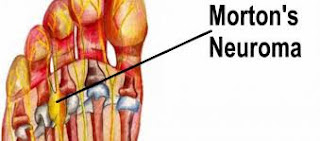
Foot neuroma treatment

Conservative treatments


Changing footwear: 

  • Avoid wearing high heels or narrow, tight shoes. Choose shoes with a wide toe box and extra depth.

Using orthotics: 

  • Orthotics are shoe inserts that can help to redistribute pressure and support the foot.

Taking over-the-counter pain relievers: 

  • Nonsteroidal anti-inflammatory drugs (NSAIDs), such as ibuprofen and naproxen, can help to reduce pain and inflammation.
  • Icing the affected area: Apply ice for 20 minutes at a time, several times a day.
  • Resting the foot: Avoid activities that aggravate the pain, such as running or jumping.

Injections

If conservative treatments are not effective, your doctor may recommend corticosteroid injections. Corticosteroids are powerful anti-inflammatory medications that can help to reduce swelling and pain.

Surgery

Surgery is usually a last resort, but it may be recommended if other treatments have failed to provide relief. The most common surgical procedure for Morton's neuroma is a neurectomy, which is the removal of the affected nerve.

Recovery

The recovery time from Morton's neuroma depends on the type of treatment you receive. If you have conservative treatments, you may start to feel relief within a few weeks. If you have surgery, it may take several months to fully recover.

Here are some additional tips for managing Morton's neuroma:

  • Maintain a healthy weight. Excess weight puts more pressure on your feet.
  • Stretch your feet regularly. This can help to improve flexibility and reduce tightness.
  • Massage your feet. This can help to relieve tension and improve circulation.
  • Avoid activities that aggravate the pain. If you experience pain, stop the activity and rest your foot.

If you have any concerns about Morton's neuroma, be sure to talk to your doctor.

Dr Lowe recommends you seriously consider custom orthotics. You can get access to a custom orthotic using your cell phone.

Orthotic Selfie

Labels: , , , , , , , , , ,